Noel - Help! Is this what it did? Cause I think this is what you asked it to do.
Otherwise, you may have come upon an often cited shortcoming of where you cannot push a chord onto a beat of the prior chord. Meaning you can't put a chord on the 2+ and the 3. Does that make sense? there may be workarounds with spreading out two bars to be played as one and doubling the tempo. But I am getting a little over my head...
You've interpreted the chords perfectly if they were entered as Bb13 ^Ab13,G13.
Maybe BIABguy was after a chord on beat 2& as well as beat 3. If so, then it's necessary to think laterally. It can be done but it's not so straightforward.
Let's see if he gives a little more information after reading your reply and then we can address his situation. It would be good if he outlines the progression for the whole bar and where he'd like chords to occur.
You've interpreted the chords perfectly if they were entered as Bb13 ^Ab13,G13.
Maybe BIABguy was after a chord on beat 2& as well as beat 3. If so, then it's necessary to think laterally. It can be done but it's not so straightforward.
Let's see if he gives a little more information after reading your reply and then we can address his situation. It would be good if he outlines the progression for the whole bar and where he'd like chords to occur.
Sorry guys.
The problem was with the formatting on this forum. I inputted a bar of chords on the correct beats, but when I posted here, the forum software had its own ideas as to how to format the bar!
I will describe the bar and try to input it once again. Beat 'one' is Bb13. Beat 'two &' is Ab13. Beat 'three' is G13. Nothing on beat 'four'.
You could do this by using 2 bars that will effectively play in the same time as the single bar.
BEFORE DOING ANYTHING, save the song with a new file name. This will allow you easily to return to the present song if you need to.
Read on ...
1. Insert a bar after the present bar. Click on the inserted bar. Now press f5 and set the number of beats of this inserted bar to "2".
2. Click on the bar following the inserted bar and set the beats to 4.
(In effect, what's happened is that a 2/4 bar has been inserted and we've set BIAB to play 4/4 after the inserted bar.)
3. Type G13 on beat 1 of the inserted bar.
4. Now click on the bar before the inserted bar. Press f5 and change the tempo to twice the speed. (For example, if your song's tempo is 85, type 170 in the box highlighted below.)
5. On the chord sheet for this bar, type Bb13 on beat 1 and Ab 13 on beat 4. (That is type Bb13 on beat 1 and ,Ab13 on beat 3. The comma is important.)
6. Now click on the inserted 2/4 bar and set the tempo back to the song's original speed.
7. Generate the song and play.
What have we done?
In a nutshell, we've created a 4/4 bar that plays twice as quickly as the rest of the song. This means, it will play in the same amount of time that half a bar will play at the song's normal speed. Since it's a 4/4 bar, though, I can put 4 chords into it. When I couple this twice-as-fast 4/4 bar with the following 2/4 bar at normal speed, I end up with the combined effect of a single bar.
Try it and see if it works ok for you. You might want to experiment with Shots and Holds to make it even more effective.
Please let Dan and I know how it worked out for you. We're interested!
Try it and see if it works ok for you. You might want to experiment with Shots and Holds to make it even more effective.
Please let Dan and I know how it worked out for you. We're interested!
All the best, Noel
Thanks Noel, that was a really valiant attempt! I understand the concept. However in practice things aren't working out as planned.
Here's what's happening:
The first bar plays, first chord on beat one, fine.
The bar starts playing faster (as we programmed it and you can hear it). Why can you hear it? Because the organ's bass is starting to WALK!!!!!
And the first chord is playing an inversion on the 2nd beat!!!
And the chord on beat four is playing way late!
Then when the second bar plays, the walking bass stops and things slow down noticeably.
This is not a smooth transition! It sounds like the tempo is doubling for one bar and then coming back to the original tempo (on top of the other problems).
Thanks Noel, that was a really valiant attempt! I understand the concept. However in practice things aren't working out as planned.
Here's what's happening:
The first bar plays, first chord on beat one, fine.
The bar starts playing faster (as we programmed it and you can hear it). Why can you hear it? Because the organ's bass is starting to WALK!!!!!
And the first chord is playing an inversion on the 2nd beat!!!
And the chord on beat four is playing way late!
Then when the second bar plays, the walking bass stops and things slow down noticeably.
This is not a smooth transition! It sounds like the tempo is doubling for one bar and then coming back to the original tempo (on top of the other problems).
The success of the above really does depend on style. The principle is a sound one but, in practice, there are limitations. This would be especially true if the initial tempo is one of the faster ones.
I'm curious. In the doubled time bar, did you try Bb13... and ,Ab13... or maybe Bb13.. and ,Ab13..
I think that is what they are called when two bars in BiaB equal one bar of actual music. I am not at my music computer right now to check the name. I have never used them so I don’t know for sure.
Life is short so make sure you spend as much time as possible on the Internet arguing with strangers.
64 bit Win 10 Pro, the latest BiaB/RB, Roland Octa-Capture audio interface, a ton of software/hardware
Check the bar number area of the Chord Sheet, you could have inadvertently entered a B Substyle Part Marker there, which in many jazz styles would invoke the Walking Bass.
I think that is what they are called when two bars in BiaB equal one bar of actual music. I am not at my music computer right now to check the name. I have never used them so I don’t know for sure.
Yes, that is where we were going (I think), but I am not sure Noel got the instruction right (with all due respect and Good Bless his heart) . The four beat 1 bar at 2x tempo followed by the two beat bar at normal tempo may not be the best way. Should we not have combined two full 4 beat bars at 2x tempo to allow us to place chords on the eight note? And the "holds" he has suggested seem a good idea to try.
I know there has been lots of talk about this in the past. And this has been a very long term wish list item. So is this workaround only academic or does this work. Remember we are talking RTs here so the styles should not be controlling.
The first bar plays, first chord on beat one, fine.
The bar starts playing faster (as we programmed it and you can hear it). Why can you hear it? Because the organ's bass is starting to WALK!!!!!
And the first chord is playing an inversion on the 2nd beat!!!
And the chord on beat four is playing way late!
Then when the second bar plays, the walking bass stops and things slow down noticeably.
This is not a smooth transition! It sounds like the tempo is doubling for one bar and then coming back to the original tempo (on top of the other problems).
The total here points to a B Substyle being played there, that's the first thing to check, a Green Part Marker.
Also, if this is the same songfile where he's trying to play B Walking Bass with A organ substyle at same time, there could be many things that won't match up when trying that.
I don't usually chord comp the same way when the Bass is walking than when its not. With Walking Bass, you can and should get a bit busier and take more liberties, likely embellishing more. That is the whole point of it, actually.
Upon further listening and having integrated this into several places in the song along with multiple regenerations, I do tend to hear the band try to get busier to accompany the faster tempo (presumably). I think I fixed this by placing a "hold" on the FMaj7... and the E7(#5)... Seems to eliminate the embellishments. Over all I think it was a success!
Upon further listening and having integrated this into several places in the song along with multiple regenerations, I do tend to hear the band try to get busier to accompany the faster tempo (presumably). I think I fixed this by placing a "hold" on the FMaj7... and the E7(#5)... Seems to eliminate the embellishments. Over all I think it was a success!
Thanks for taking the time to help Dan! I just tried your suggestion and it gave similar results to Noel's suggestion. -I hear speeding up because of the organ's walking bass that kicks in. -The first chord is played twice (beats one and two) -The chord in the second bar first beat is NOT played now! In fact no chord is played in the second bar.
I am afraid it is dependent on the tempo and the actual RT's being used. My very slow Jazz Ballad with Piano and Strings seemed to work pretty good. It definitely allowed placement on the OFF BEAT, which is where we started with this thread, and obviously not easy in BIAB. I'll listen some more to see if my changes makes the final cut.
Good exercise through.
<<BUT... the two chords are cut off. They are played as 16th or even 32nds!>>
You did use a Hold (...) and Not a Shot (..), right?
Last Chance! The Band-in-a-Box® 2026 for Mac® Special Ends Today (May 31, 2026) at 11:59pm PDT!
Time really is running out! Save up to 50% on Band-in-a-Box® 2026 for Mac® upgrades and receive a FREE Bonus PAK—only when you order by 11:59 PM PDT today!
We've added many major new features and new content in a redesigned Band-in-a-Box® 2026 for Mac®!
Version 2026 introduces a modernized GUI redesign across the program, with updated toolbars, refreshed windows, smoother workflows, and a new Dark Mode option. There’s also a new side toolbar for quicker access to commonly used windows, and the new Multi-View feature lets you arrange multiple windows as layered panels without overlap, making it easier to customize your workspace.
Another exciting new addition is the amazing new AI-Notes feature, which can transcribe polyphonic audio into MIDI. View the results in notation or play them back as MIDI, and choose whether to transcribe an entire track or transcribe specific parts like drums, bass, guitars/piano, or vocals. There's over 100 new features in Band-in-a-Box® 2026 for Mac®.
There's an amazing collection of new content too, including 202 RealTracks, new RealStyles, MIDI SuperTracks, Instrumental Studies, “Songs with Vocals” Artist Performance Sets, Playable RealTracks Set 5, two RealDrums Stems sets, and much more!
Upgrade your Band-in-a-Box for Mac® to save up to 50% on most Band-in-a-Box® 2026 upgrade packages!
Plus, when you order your Band-in-a-Box® 2026 Mac upgrade during our special, you'll receive a Free Bonus PAK of exciting new add-ons.
If you need any help deciding which package is the best option for you, just let us know. We are here to help!
Band-in-a-Box® 2026 Mac Special Offers Extended Until May 31st!
Good news- we've extended our Band-in-a-Box® 2026 for Mac® special offers until May 31, 2026!
Band-in-a-Box® 2026 is packed with major new features, enhancements, and an incredible lineup of new content! The program now sports a sleek, modern GUI redesign across the entire interface, including updated toolbars, refreshed windows, smoother workflows, a new dark mode option, and more. The brand-new side toolbar provides quicker access to key windows, while the new Multi-View feature lets you arrange multiple windows as layered panels without overlap, creating a flexible, clutter-free workspace. We have an amazing new “AI-Notes” feature. This transcribes polyphonic audio into MIDI so you can view it in notation or play it back as MIDI. You can transcribe an entire track (all pitched instruments and drums) or focus on individual parts like drums, bass, guitars/piano, or vocals. There's an amazing collection of new content too, including 202 RealTracks, new RealStyles, MIDI SuperTracks, Instrumental Studies, “Songs with Vocals” Artist Performance Sets, Playable RealTracks Set 5, two RealDrums Stems sets, and much more!
There are over 100 new features in Band-in-a-Box® 2026 for Mac®.
When you order purchase Band-in-a-Box® 2026 before 11:59 PM PDT on May 31st, you'll also receive a Free Bonus PAK packed with exciting new add-ons.
Check out the Band-in-a-Box® for Mac packages page to find the best package for you.
Today's the Last Day of the Band-in-a-Box 2026® for Mac Special!
Order before 11:59pm PDT today (May 15, 2026) to save up to 50% off your Band-in-a-Box® 2026 for Mac® upgrade and receive a FREE Bonus PAK loaded with great new Add-ons to use with this new version!
Band-in-a-Box® 2026 for Mac - Special Offers End at 11:59pm PDT on Friday, May 15th, 2026!
Order before 11:59pm PDT on Friday, May 15th and SAVE up to 50% on most Band-in-a-Box® version 2026 for Mac Upgrade packages... and that's not all! With your version 2026 for Mac purchase, we'll include a Bonus PAK full of great new Add-ons FREE! Upgrade to the 2026 49-PAK to receive even more NEW Add-ons including 20 additional RealTracks... that's 222 NEW RealTracks available with version Band-in-a-Box® 2026 for Mac!
Upgrade to Band-in-a-Box® 2026 for Mac® today for as little as $49! Check out the Band-in-a-Box® packages page for all available purchase options.
Learn more about the Free Bonus PAK and 49-PAK here.
If you have any questions about which package is the best option for you, just let us know. We're here to help!
202 New RealTracks Released with Band-in-a-Box 2026!
With Band-in-a-Box® 2026, we've released 202 incredible new RealTracks (in sets 468-488) in a variety of genres—featuring your most requested styles!
Jazz, Funk & World (Sets 468-475):
Our new jazz, funk & blues RealTracks include a groovin’ collection of RealTracks and RealDrums! These include more requested “soul jazz” RealTracks featuring artists Neil Swainson (bass), Charles Treadway (organ), Brent Mason (guitar), and Wes Little (drums). There are new “smooth jazz” styles (4), which include a RealTracks first: muted trumpet, as well as slick new smooth jazz brushes options for drums. Blues lovers will be thrilled—there are more “classic acoustic blues” styles, including guitar (5), bass (4), and drums (10) with blues master Colin Linden, featuring understated and tasty background acoustic soloing, plus brushes drums and acoustic bass. There are also new electric blues RealTracks, including electric blues with PG favorite Johnny Hiland (3) and soulful electric slide guitar from Colin Linden (4). If you love funk & gospel, there are great new options this year, including gospel organ (3) from Charles Treadway, as well as new funk, tango, and rock ’n’ roll drums (3) and bass (1). And for big, bold arrangements, we have uptempo soul horns (4) featuring a three-part hip horn section with options for a full mix or stems of each individual horn — plus an accompanying rhythm section (4) of drums, bass, guitar, and electric piano!
Rock & Pop (Sets 476–482):
Our new rock & pop RealTracks bring a powerful mix of requested favorites, fresh genres, and modern chart-inspired styles! We have more of our popular “Producer Layered Acoustic Guitars (15)” featuring Band-in-a-Box favorite Brent Mason. We’ve continued our much-requested disco styles (10), and added new Celtic guitar (5) with a more basic, accessible approach than our previous Drop-D or DADGAD offerings. There are also highly requested yacht rock styles (17), inspired by the smooth, polished soft-rock sound of the late ’70s and early ’80s — laid-back grooves, silky electric pianos, warm textures, elegant harmonic movement, and pristine production aesthetics. Fans of heavier styles will love our new glam metal (13), capturing the flashy, high-energy sound of ’80s arena-ready guitar rock. We also have a set of rootsy modern-folk rock (18), with a warm, organic sound combining contemporary folk textures and driving acoustic strumming. And we’ve added lots of new modern pop styles (16) — the kinds of sounds you’re hearing on the radio today, featuring exciting new drums, synths, and cutting-edge RealTracks arrangements.
Country, & Americana (Sets 483–488):
Our new country & Americana RealTracks deliver a rich collection of acoustic, electric, and roots-inspired styles! We have new country pop (9) with legendary guitarist Brent Mason. There is also a potpourri (14) of bouzouki, guitars, banjo, and more, perfect for adding texture and character to contemporary acoustic arrangements. We’ve added funky country guitar (5) with PG favorite Brent Mason, along with classic pedal steel styles (5) featuring steel great Doug Jernigan. There are more country songwriter styles (8) that provide intimate, rootsy foundations for storytelling and modern Americana writing. Finally, we have “background soloing” acoustic guitar (12) with Brent Mason — simpler, but still very tasty acoustic lines designed to sit beautifully behind vocals or act as a subtle standalone solo part.
And, if you are looking for more, the 2026 49-PAK (for $49) includes an impressive collection of 20 bonus RealTracks, featuring exciting and inspiring additions to add to your RealTracks library. You'll get new country-rhythm guitar styles from PG Music favorites Johnny Hiland and Brent Mason, along with modern-pop grooves that capture today’s radio-ready sound! There are also new indie-folk styles with guitar, bass, 6-string bass used as a high-chording instrument, acoustic guitar, and banjo. Plus, dedicated "cymbal fills" RealDrums provide an added layer that work very well with low-key folky styles with other percussion.
The 2026 49-PAK is loaded with other great new add-ons as well. Learn more about the 2026 49-PAK!
2026 Free Bonus PAK & 49-PAK for Band-in-a-Box® 2026 for Mac®!
With your version 2026 for Mac Pro, MegaPAK, UltraPAK, UltraPAK+, Audiophile Edition or PlusPAK purchase, we'll include a Bonus PAK full of great new Add-ons for FREE! Or upgrade to the 2026 49-PAK for only $49 to receive even more NEW Add-ons including 20 additional RealTracks!
These PAKs are loaded with additional add-ons to supercharge your Band-in-a-Box®!
This Free Bonus PAK includes:
The 2026 RealCombos Booster PAK:
-For Pro customers, this includes 27 new RealTracks and 23 new RealStyles.
-For MegaPAK customers, this includes 25 new RealTracks and 23 new RealStyles.
-For UltraPAK customers, this includes 12 new RealStyles.
MIDI Styles Set 92: Look Ma! More MIDI 15: Latin Jazz
MIDI SuperTracks Set 46: Piano & Organ
Instrumental Studies Set 24: Groovin' Blues Soloing
Artist Performance Set 19: Songs with Vocals 9
Playable RealTracks Set 5
RealDrums Stems Set 9: Cool Brushes
SynthMaster Sounds Set 1 (with audio demos)
iOS Android Band-in-a-Box® App
Looking for more great add-ons, then upgrade to the 2026 49-PAK for just $49 and you'll get:
20 Bonus Unreleased RealTracks and RealDrums with 20 RealStyle.
FLAC Files (lossless audio files) for the 20 Bonus Unreleased RealTracks and RealDrums
MIDI Styles Set 93: Look Ma! More MIDI 16: SynthMaster
MIDI SuperTracks Set 47: More SynthMaster
Instrumental Studies 25 - Soul Jazz Guitar Soloing
Artist Performance Set 20: Songs with Vocals 10
RealDrums Stems Set 10: Groovin' Sticks
SynthMaster Sounds & Styles Set 2 (sounds & styles with audio demos)
One of our representatives will be happy to help you over the phone. Our hours of operation are from
6:00AM to 6:00PM PST (GMT -8) Monday thru Friday, and 8:00AM to 4:00PM PST Saturday. We are closed Sunday. You can also send us your questions via email.
One of our representatives will be happy to help you on our Live Chat or by email. Our hours of operation are from
6:00AM to 6:00PM PST (GMT -8) Monday thru Friday; 8:00AM to 4:00PM PST (GMT -8) Saturday; Closed Sunday.



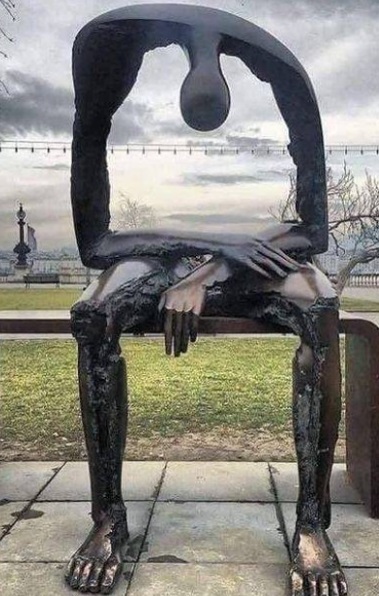
 Is this what it did? Cause I think this is what you asked it to do.


 Dansk
Dansk Deutsch - Windows
 Español
 Français - Windows
 Italiano - Windows
 Nederlands
 Polski
 Português
 Svenskt
 русский
 Japanese
 Simplified Chinese
 Traditional Chinese
 Korean